Blog
From manual friction to intelligent workflows: The next step for equipment finance
By NETSOL Technologies , on May 25, 2026
Replace manual friction with intelligent workflows in equipment finance, practical automation for document intake, broker portal triage and faster lending decisions.
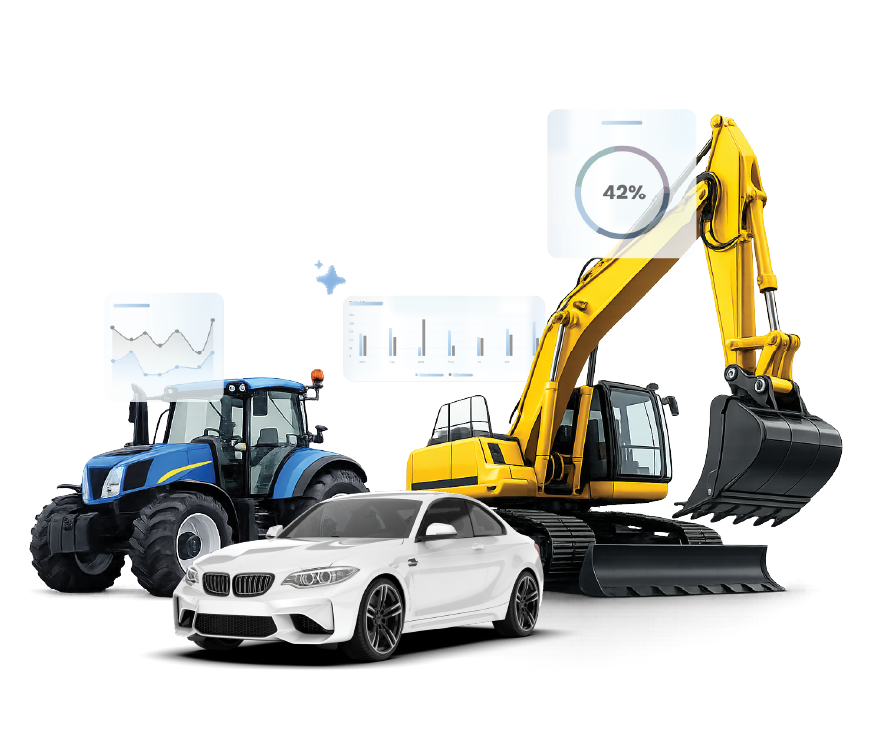
Table of Contents
Subscribe to our newsletter
Share this Blog:


Equipment finance software has always depended on specialist knowledge. Funding a machine, fleet, plant asset, or commercial equipment is not the same as financing a standard consumer product. The asset matters. Its use, value, lifecycle, risk profile, and resale potential all shape the decision.
Our latest report, “Why digital transformation in asset finance needs an AI gear shift,” based on proprietary research with 100 asset finance industry leaders, shows that equipment lenders are under pressure to modernise, but not at the cost of operational continuity. In fact, 42% of equipment lenders said disruption to daily business operations is the biggest barrier to embracing technology.
But while the sector is specialised, many lending workflows remain generic and too manual.
Applications move through disconnected systems. Documents are collected and rechecked with one-size-fits-all requirements. Teams chase missing information. Customers wait for updates. Risk teams need more context, while operations teams maintain service levels without disrupting live business.
This is where the next step becomes clear. Equipment finance does not need technology for technology’s sake. It needs intelligent workflows that remove friction, tailor journeys while protecting control, continuity, and customer trust.
Manual friction is now a growth barrier
In equipment finance, speed and accuracy in asset finance lending. A rushed decision can create risk. A slow decision can frustrate customers and weaken broker portal.
Manual processes increase the chance of missing information, repeated data entry, inconsistent communication, and delayed approvals. Over time, this does not just affect efficiency. It affects competitiveness.
Intelligent workflows can reduce pressure without removing control
The opportunity is to modernise carefully. Intelligent workflows can help teams improve speed and visibility without forcing sudden disruption across the business.

This type of automation does not replace expertise. It supports it. Equipment finance still needs human judgment, especially where assets are complex or values fluctuate.
The shift toward intelligent workflows is already visible in investment priorities, with firms focusing on areas that can reduce manual effort and improve the customer journey.

Investment priorities point toward practical workflow improvements, including document intake, AI customer service assistants, and broker/customer portal triage.
The future is measured, not rushed
The strongest transformation strategies should start with the workflows that create the most friction. Document intake, service support, visibility, and decisioning are practical places to begin.
Success should be measured through clear outcomes like Rightsizing in asset finance for faster decisions, fewer resubmissions, improved document accuracy, stronger partner communication, lower operational pressure, and better customer satisfaction.
Conclusion
Equipment finance does not need a disruptive technology overhaul. It needs a smarter operating model that improves the journey without weakening control.
The next step is not simply adopting AI. It is the shift from manual friction to intelligent workflows that helps lenders become faster, more resilient, and easier to work with.
Read the full NETSOL report to explore how equipment finance firms can move from ambition to practical, value-led transformation.


If you're in BFSI (Banking, Financial Services, and Insurance), standing still isn't an option.
Related blogs

Blog
Wholesale finance implementation that lasts beyond go-live

Blog
NETSOL heads to Digital Dealer 2026: Bringing Transcend Retail to Detroit
Blog