Blog
Australia’s asset finance outlook for 2026: Why agility will define the leaders
By NETSOL Technologies , on April 7, 2026
Explore how Australia's asset finance market is evolving in 2026. Learn why decision speed, lifecycle intelligence, and platform agility are becoming the new competitive edge for lenders.

Table of Contents
Subscribe to our newsletter
Share this Blog:


Australia’s asset finance solution market is entering 2026 with competitive pressures. Growth still matters, but lenders are now being judged just as much on agility, lifecycle visibility, and decision speed as they are on product breadth.
That broader shift sat at the heart of AFIA’s webinar with NETSOL, which explored how asset, equipment, SME, and automotive finance in Australia are evolving as complexity rises across channels, assets, and customer expectations.
A market being reshaped by competition and complexity
The webinar’s framing was clear from the outset. As Mel Carpenter, Executive Director of Membership Engagement, AFIA, put it:
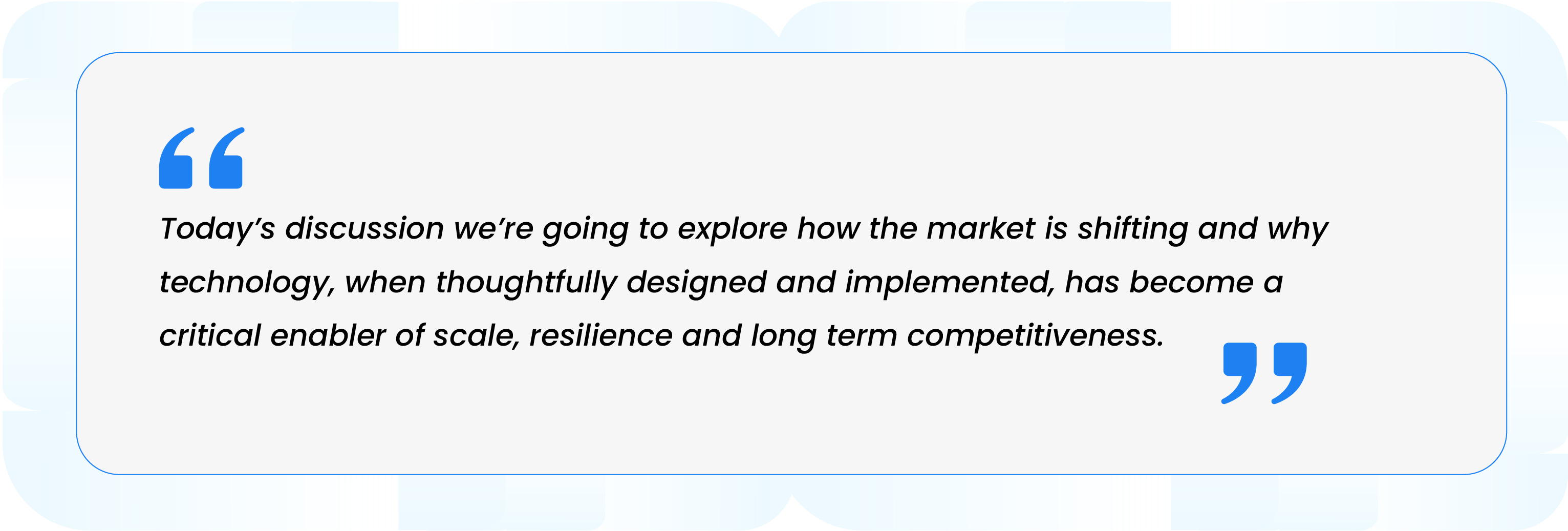
That is more than an industry talking point. It reflects where the Australian market is heading.
The Reserve Bank of Australia said in February 2026 that lower bank funding costs, narrower lending spreads, and increased business credit supply have supported stronger credit growth, while several banks have sharpened their strategic focus on business lending, including SMEs.
Speed is becoming a commercial lever
One of the webinar’s strongest themes was speed. This was not discussed as a customer service metric alone, but as a business growth lever.
Farooq Ghauri, Regional Director for APAC, NETSOL Technologies, captured it simply: 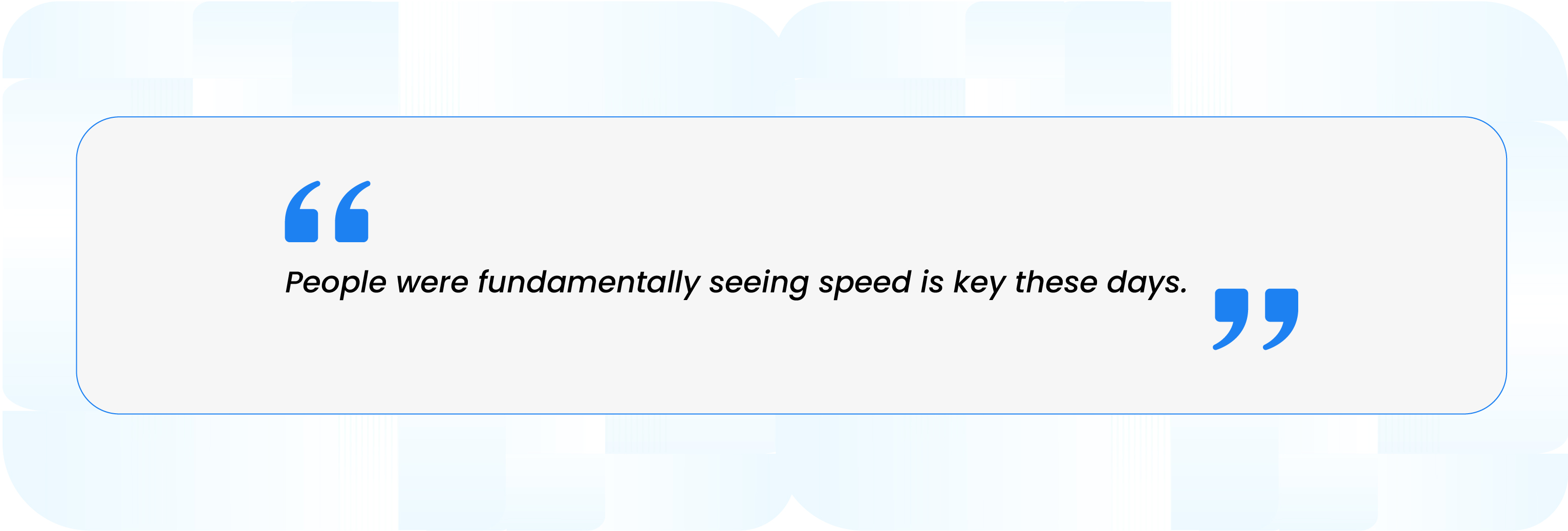
He went on to explain that brokers and dealers increasingly understand that faster lease origination software means more business.
That is an important shift. In earlier market cycles, a lender could compete through commission structures, relationships, or product availability. In 2026, those factors still matter, but they are no longer enough.
The lender that can assess, decide, and progress business faster is easier for dealers and brokers to work with, and easier for customers to trust. This is exactly why speed is now becoming a commercial differentiator, not just an operational KPI.
The implication is clear. Speed cannot depend on manual heroics. It must be designed into the operating model. When rules, workflows, and data are aligned, faster decisions become repeatable.
When systems are fragmented, delays become normal, handoffs break down, and scaling becomes harder. That broader operational challenge was embedded in the webinar’s focus on platform architecture, operational agility, data, AI, and ecosystem integration.
From origination to lifecycle value
The webinar also pushed the conversation beyond origination. For years, many lenders have focused on booking the deal. But in a more mature and data-rich market, value increasingly comes from what happens after the contract starts.
Eva Kellershof, Vice President of Sales, North America & Europe, NETSOL Technologies, made that point clearly: 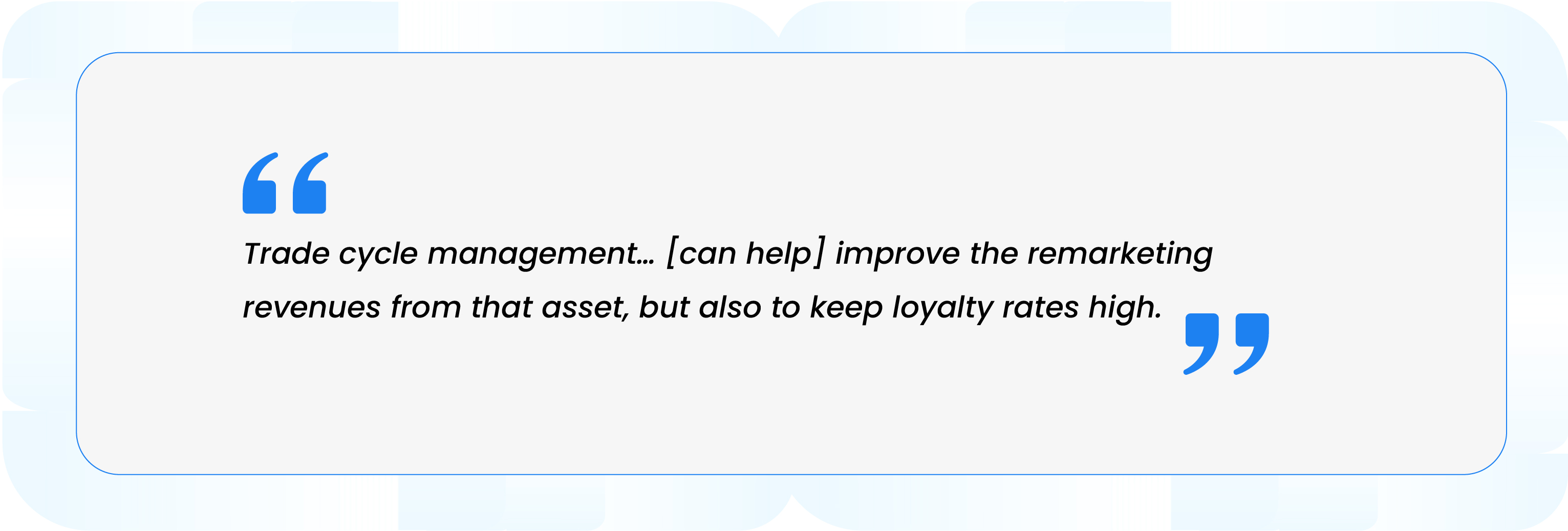
That perspective shifts the focus from transaction efficiency to lifecycle performance. It is about understanding not only how to win a contract, but how to manage the customer and the asset more intelligently over time.
The opportunity is significant. According to the Australian Bureau of Statistics, new personal fixed-term loan commitments for road vehicles reached AUD 4.7 billion in the December quarter of 2025, underscoring the scale of Australia's leasing market and the growing role of technology in managing it. That underlines the scale of vehicle-related finance activity and the importance of managing value across the lifecycle, not only at origination.
Why data, timing, and coordination matter more
Lifecycle thinking only works when lenders can act on timely insight.
Eva Kellershof, Vice President of Sales, North America & Europe, NETSOL Technologies, also noted the need to identify: 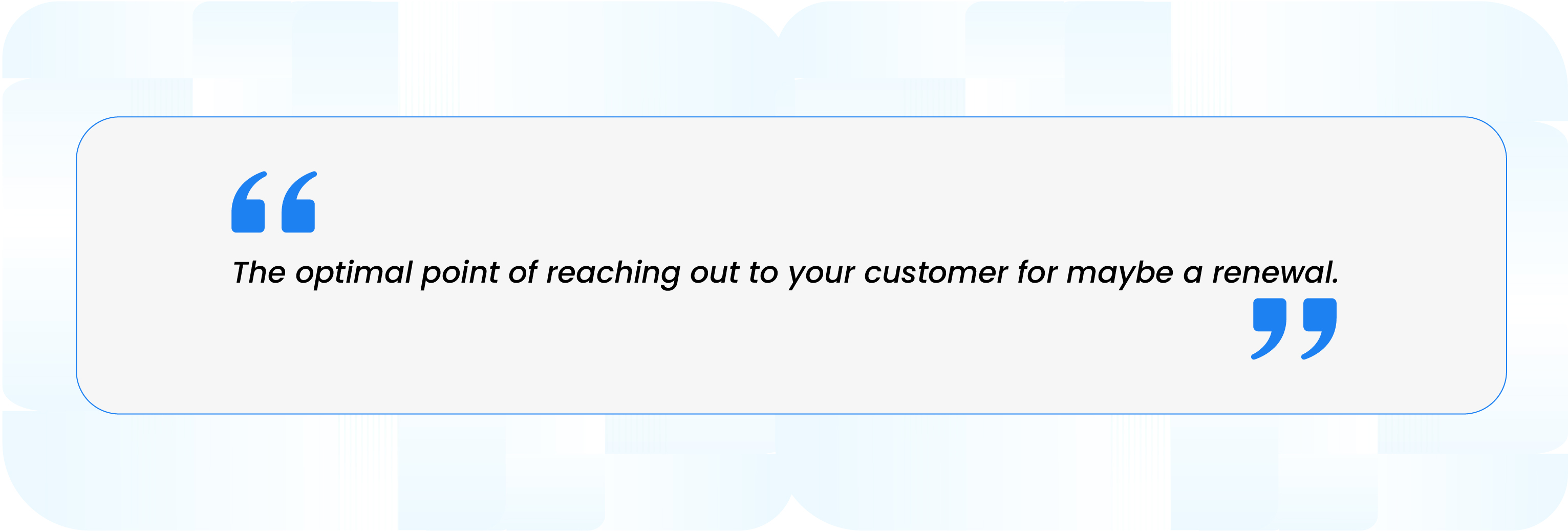
In order to optimise both the customer lifecycle and the asset lifecycle. That is a powerful strategic point. The next generation of lenders will use real-time analysis, coordinated engagement, and asset intelligence to improve retention, renewal timing, and remarketing outcomes.
This is where technology becomes strategic. Better platforms do more than automate steps. They help lenders connect the front office and back office, close data loops, and make better interventions at the right time.
Control still matters
None of this means speed should come at the expense of discipline. In late 2025, ASIC said almost half of consumers who defaulted on car finance repayments did so within the first six months of the loan. That is a sharp reminder that growth, decision speed, and governance must move together. Fast lending without sound controls is not agility. It is a risk.
NETSOL’s perspective
For NETSOL, the takeaway from the webinar is clear. The leaders in Australia’s asset finance market in 2026 will not be defined only by how much business they write. They will be defined by how well they connect speed, lifecycle intelligence, and platform agility.
Lenders that can do this will be better placed to support brokers and dealers, respond to changing market conditions, and unlock more value over the life of every contract. For a broader framework on how the global finance and leasing industry is navigating this technology shift, the whitepaper on technological evolution in finance and leasing examines the key forces reshaping operations, platforms, and customer expectations across the sector.

Explore the Marketplace
Related blogs

Blog
NETSOL heads to Digital Dealer 2026: Bringing Transcend Retail to Detroit

Blog
Who decides when your wholesale finance software is upgraded
Blog